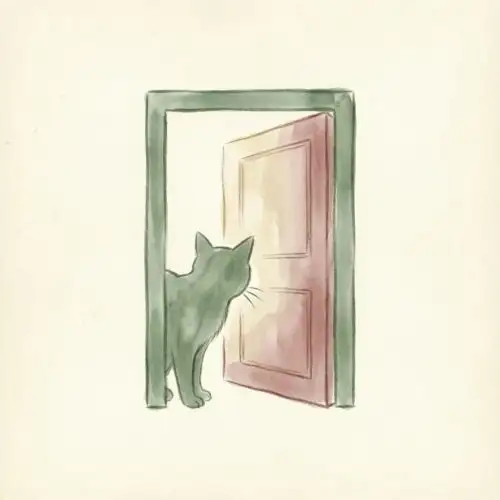
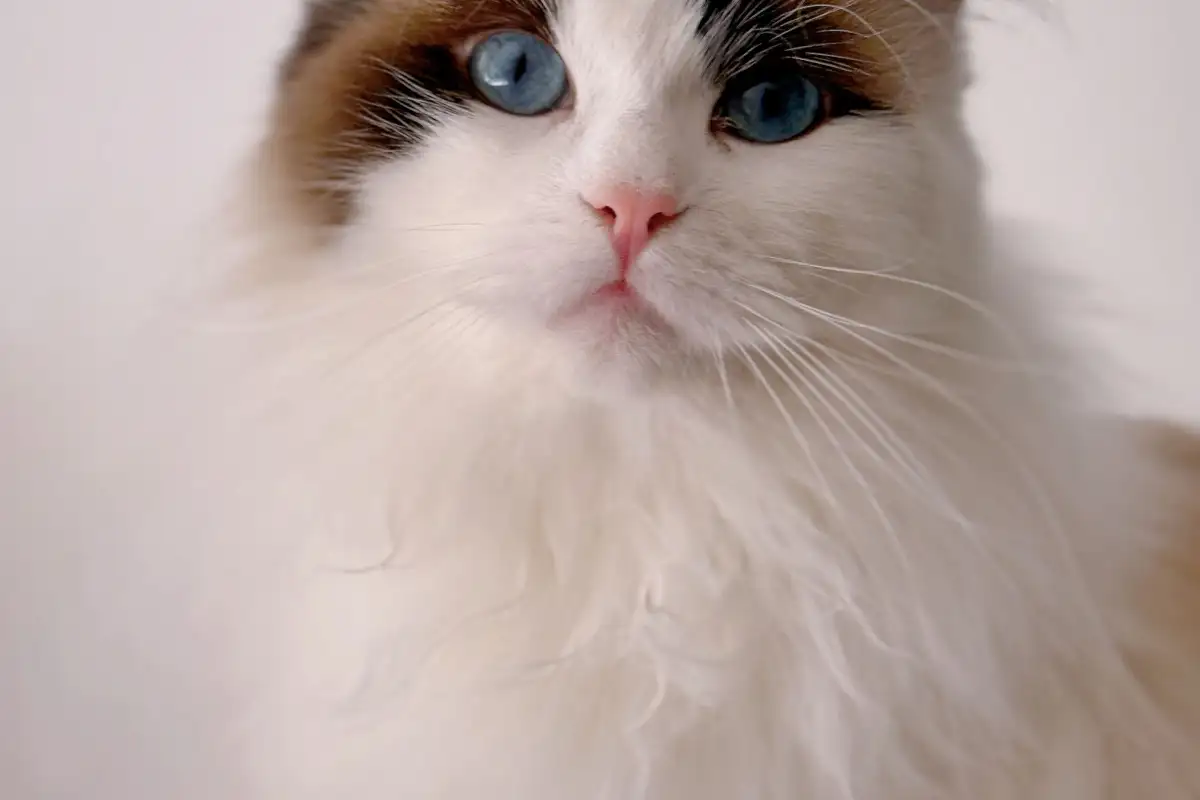
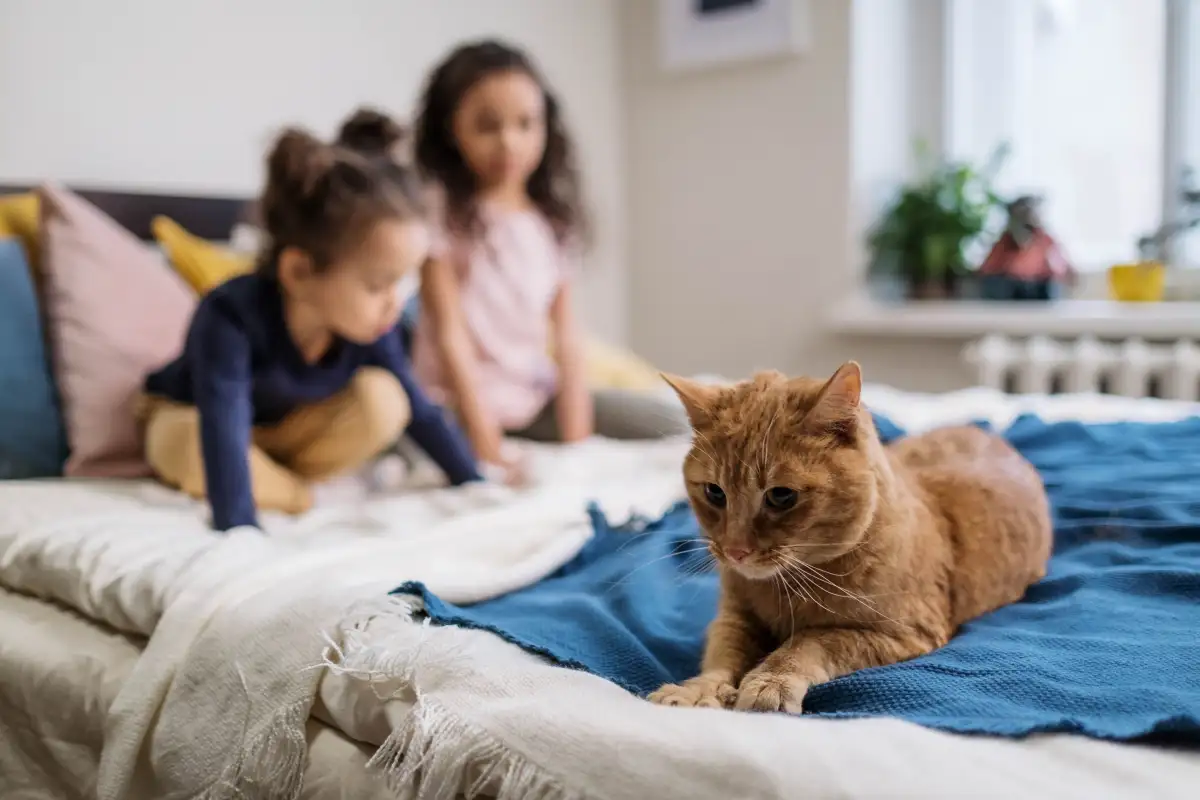
What a cat's ears, tail, and purr tell you before choosing: a relaxed cat carries its tail upright with a soft curve, keeps ears forward or slightly relaxed, often slow blinks, and purrs in a steady rhythm while staying loose; a fearful cat flattens its ears, tucks its tail or wraps it low, dilates its pupils, and may hiss; an overstimulated cat can still purr while thumping its tail, rippling its back, or suddenly turning to nip. Read those signals across two or three visits in a quiet room, and judge the cat in front of you rather than the breed label on the cage.
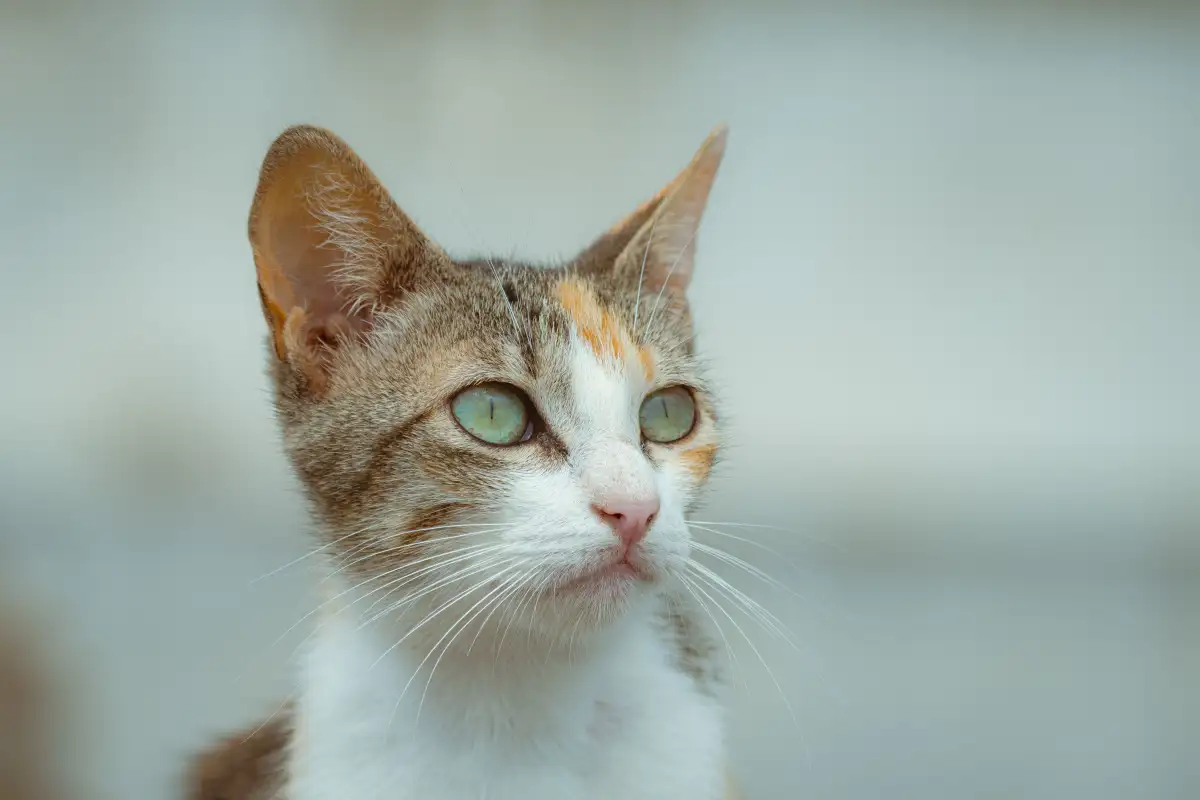
I treat the first meet-and-greet as a read-the-room exercise, not a personality quiz. The cat in front of you is already answering. The ears, tail, and purr are not decoration; they are a running commentary on comfort, fear, curiosity, and overstimulation. The problem is that most people walk in looking for a breed or a color and ignore the live animal that is telling them exactly how the first ten minutes feel.
Start with quiet, not affection
When I meet a cat for the first time, I sit down on the floor, turn my body slightly sideways, and put my hand out low with knuckles down. I do not reach toward the face, I do not pick the cat up, and I do not stare. Direct eye contact is a challenge in cat language. Instead I soften my gaze and offer a slow blink. If the cat slow blinks back, that is a good first line. If the cat turns away, flicks its tail low, or backs into a corner, I stop and wait.
That piece respects the cat. Letting the cat close the distance is the whole trick. Some cats want to sniff your hand for thirty seconds before deciding. Some want to circle the room twice. Some will not come at all, and that is information too.
What relaxed looks like
A relaxed cat is easy to misread because it will not always be in your lap. I look for a tail carried upright, often with a soft curve at the tip, like a question mark. Ears are forward or slightly out to the side, not pinned. The eyes may go half-closed. A slow blink is not just cute; it is a deliberate signal that the cat feels safe enough to look away from you. Body posture is loose: shoulders not hunched, paws might be tucked or kneading. If the cat walks toward you with that upright tail and rubs against your hand, you are being invited in.
A steady purr while the cat is leaning into contact is usually a good sign, but it is not the whole story. I have watched cats purr while pressing into a hand and cats purr while backing into a wall. The tail and ears tell me which one I am looking at.
What fear and discomfort look like
Fear is often quieter than people expect. A scared cat does not always hiss. It may flatten its ears against its head, tuck its tail low or wrap it around its body, and dilate its pupils until the eyes look black. You might see the cat crouch low, lean away from your hand, or freeze. Hissing, growling, and spitting are clear stop signals, but a cat that is silent and still can be just as stressed. I do not chase a cat that moves away, and I do not put my hand between a cat and the wall.
Some cats purr when they are nervous or trying to self-soothe in an unfamiliar room. That is why I never take a purr alone as a yes. The body around the purr is the message.
The purr is not a promise
I have met cats that purred while crouched under a bench. I have met cats that purred while their tail thumped hard against the floor. A purr is not a single emotion. It can mean I like this, it can mean I am trying to settle myself, or it can mean I am getting revved up. The purr has to be read with the rest of the body. If the purr is steady and the body is loose and the cat is pushing into contact, that is likely comfort. If the purr is paired with a low, fast tail swish, flattened ears, or dilated pupils, I slow everything down and give the cat space.
Overstimulation and play, not aggression
Overstimulation is the one that surprises new cat people. A cat asks for petting, leans in, purrs, and then suddenly nips your hand. That is not usually defensive aggression; it is a nervous system that hit its limit. The signs before the nip are usually there: the tail starts thumping instead of swaying, the skin ripples along the back, the ears rotate sideways, and the cat may turn its head quickly to watch your hand. I stop petting before the cat has to tell me twice.
True defensive aggression looks different. A cat that is cornered or terrified will usually try to make itself small first: flattened ears, tucked tail, crouched body, maybe a hiss or a swat from a distance. It is saying back off rather than I have had enough petting. The difference is pattern, not one single sign. A thumping tail alone is not a verdict. A hiss alone is not a verdict. I read the whole body and the space the cat is in.
One room is not the cat's home
The cat you meet in an unfamiliar room is under the influence of that room. Shelter smells, strange humans, other cats heard through a wall, a carrier ride, a hard floor. A cat that hides today may be bold at home in three weeks. A cat that seems shut down may simply be exhausted by the visit. The opposite also happens: some cats overperform in a quiet meet room and then need far more recovery time at home than expected.
I watch behavior, but I do not treat a single short greeting as a personality report. That is why I ask to see the cat more than once before deciding, when that is possible. One visit can tell me how the cat handles a strange room. Two or three visits tell me what changes.
What to watch on the second and third visit
On the second visit, I look for change. Does the cat come out sooner? Does the tail come up? Do the ears settle forward instead of pinning back? Is there curiosity: sniffing the air, stepping toward me, checking my hand before retreating? Or is the same fear present every time, in the same corners? A cat that is consistently shut down in that environment may be telling me it needs a much slower home adjustment, or it may be too stressed to read accurately. I do not force a decision from one snapshot.
Curiosity is the signal I trust most, because curiosity is the starting point for a bond. A cat that watches me, then approaches, then backs off, then approaches again is not unfriendly. It is weighing the room. I want a cat that can recover from a startle and choose to come back. That tells me more about life at home than instant affection.
Read the cat, not the label
Breed labels are not behavior. A friendly breed can be terrified in a meet room. A shy breed can walk in and rub against your leg. The cat in front of you is the only evidence that matters. Ears, tail, purr, eyes, body tension, and recovery time across visits. If I can read the cat's yes and no signals, I can offer the right kind of home. And that is the whole point before choosing.