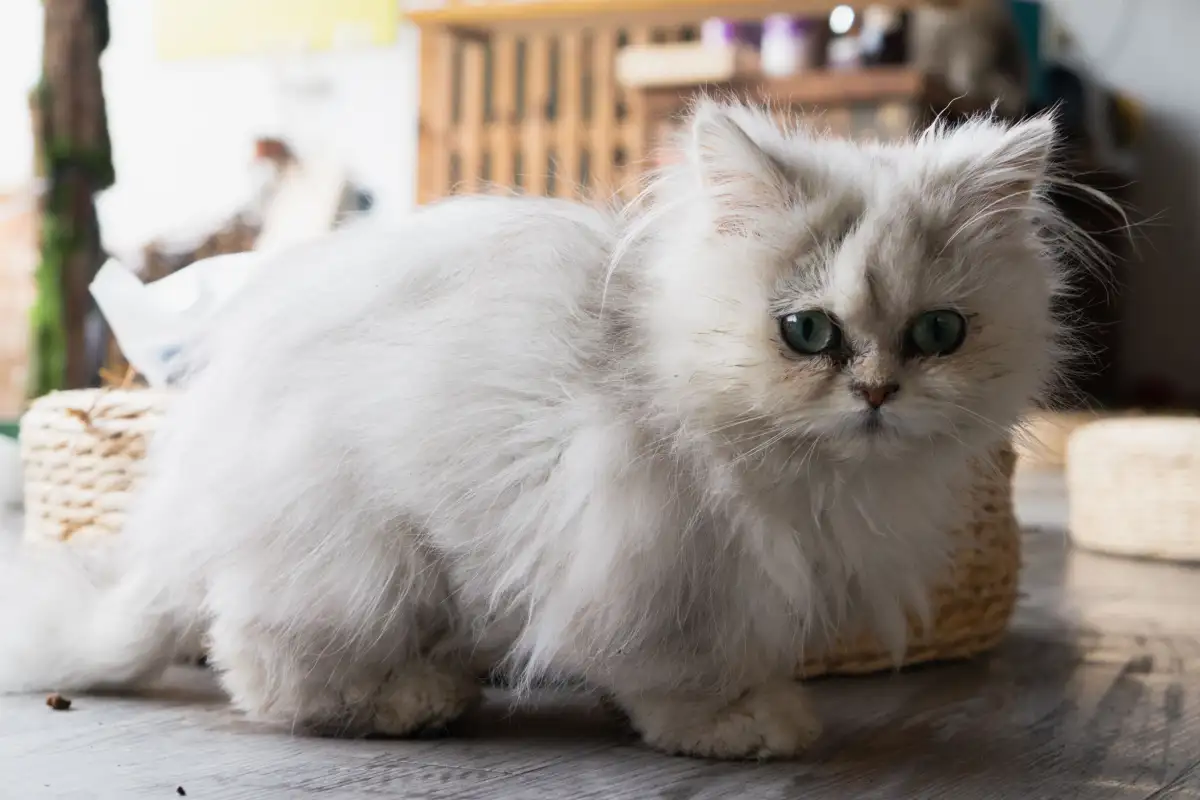
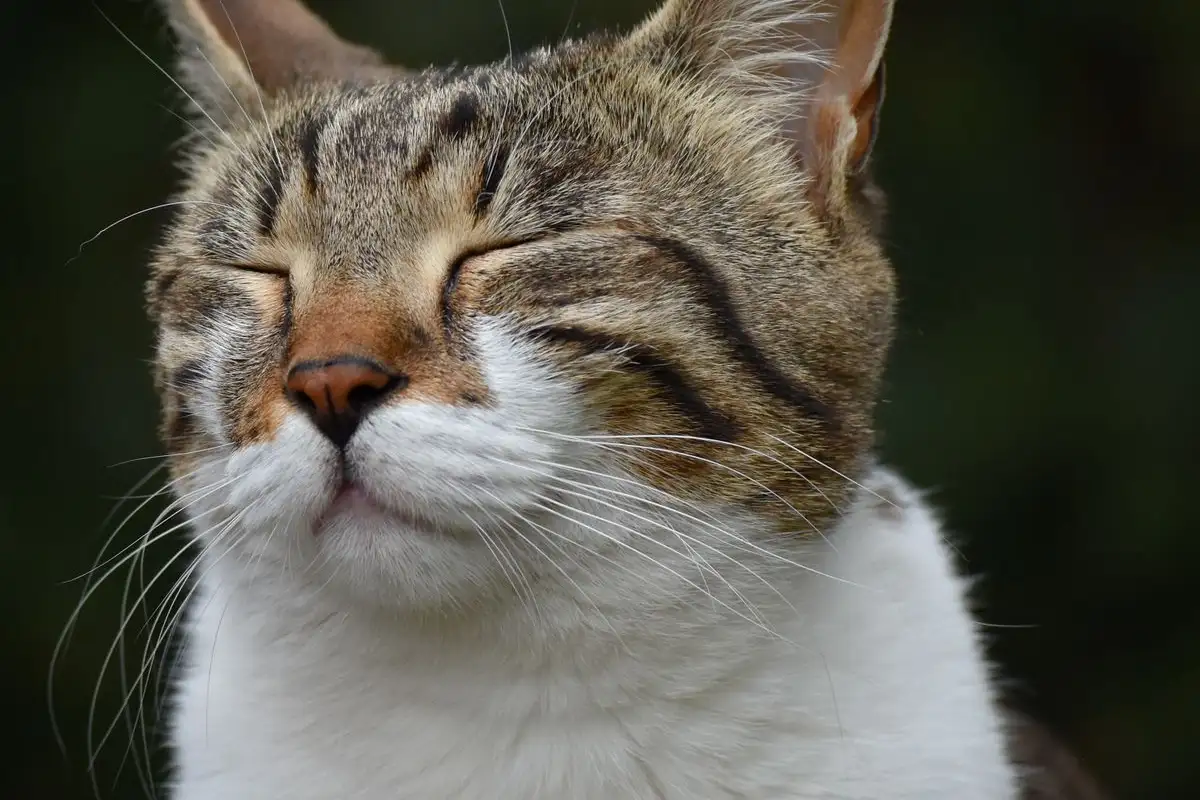
A sneezing kitten is a nose problem only until it stops being one. In the first weeks a kitten is home, the sneeze itself rarely decides the outcome — appetite and weight do. A kitten small enough to fit in one hand can slide into dehydration and dangerously low blood sugar after a single day of not eating, in a way an adult cat almost never does. So the numbers that should drive your next move are grams on a scale and how much of the last meal disappeared, not how many times the kitten sneezed.
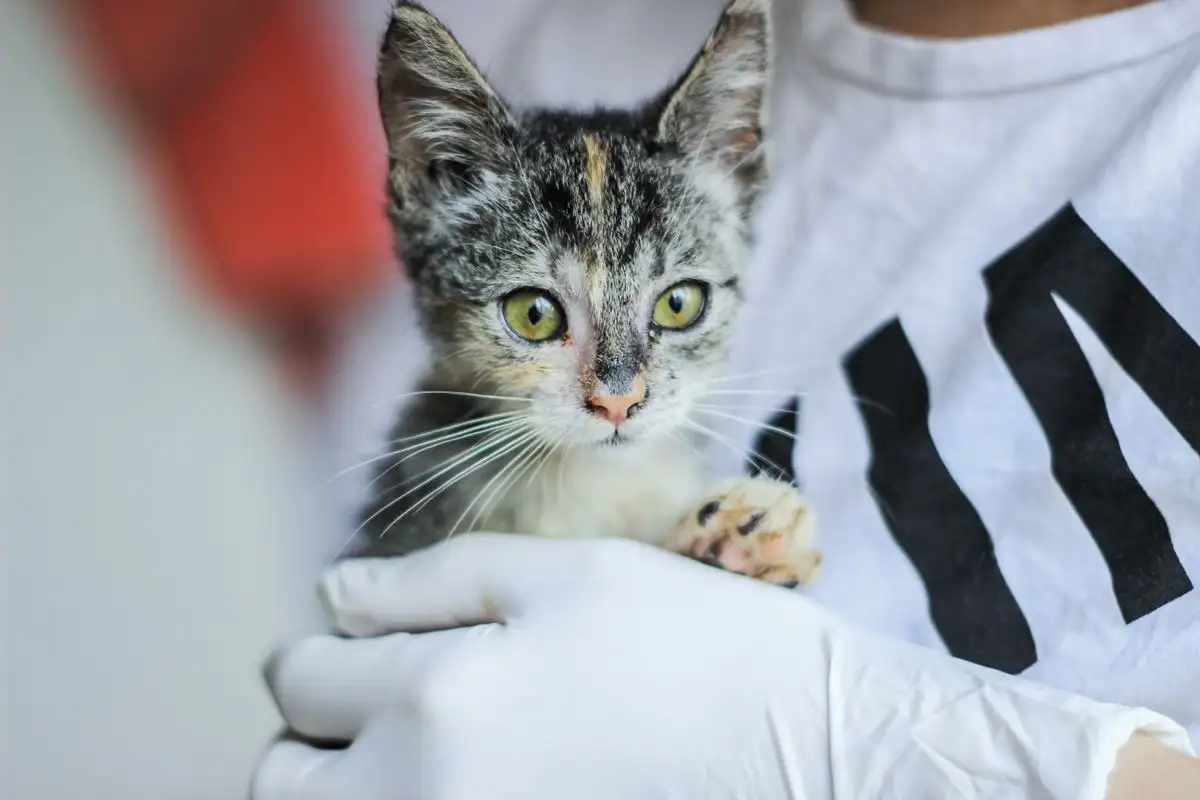
I keep a digital kitchen scale on the bathroom counter and a stainless mixing bowl next to it, and that has been the entire diagnostic kit for every foster kitten that has come through this house. Not a thermometer. Not a notebook full of guesses. A bowl, a scale, and a running number in grams.
If you're standing where I usually stand, it's late and the light over the sink is the only one on. The kitten is somewhere between six and nine weeks old, it has sneezed three or four times since dinner, and it just climbed out of the food dish without finishing. The instinct is to sit down and count sneezes. I did that for my first few litters. It taught me almost nothing. Counting sneezes tells you about a nose. It does not tell you whether the kitten is going to be fine by Friday.
The baseline: what a new kitten's sneeze usually means
Kittens sneeze more readily than adult cats because everything about their airway is smaller and their immune system hasn't finished showing up. Add the fact that most newly adopted and foster kittens come out of shelters, transports, or multi-cat rooms where upper respiratory infections are basically ambient, and you get a kitten that arrives home already carrying something. A certain amount of sneezing in a new arrival is expected. It is not automatically a crisis.
What separates the ordinary sneeze from the one I write down is not frequency. It's three things, and I check them in this order:
- Is the nose dry, or is there discharge — and if there's discharge, is it clear or colored?
- Are the eyes clear, or is one of them squinting or crusted?
- Did the kitten walk to the food bowl at the last feeding?
Occasional dry sneezing, clear or no discharge, normal playing, normal sleeping, and a kitten that cleans its bowl is the case where I watch and keep logging. I don't chase it. I do keep the scale out.
Why the scale matters more than the symptom
A kitten's liver holds very little glycogen to fall back on. When a tiny kitten stops eating, it doesn't just get hungry — it runs down. The order I've seen it happen goes quiet, then wobbly, then cold and flat, often inside a day. That is the actual danger attached to a sneezing kitten, and it's a hydration and blood sugar emergency, not a nasal one.
So the trigger I use is a missed meal, not a sneeze count. If a kitten refuses food for a full feeding, I write it down. If it refuses the next one, I'm on the phone. I'm not going to spell out what a vet will do with that call, because that's their call and it depends entirely on the kitten in front of them — but the phone call is mine to make, and I'd rather make it at hour twelve than hour thirty.
Weighing is where this becomes real instead of anxious. Here's how I do it, and it takes ninety seconds:
- Same scale, same stainless bowl, first thing in the morning before the first feeding.
- Kitten in the bowl, bowl on the scale, hands off, wait for the number to settle.
- Write the number in grams. Not pounds, not ounces. Grams move enough to see day to day.
- Same order every day, because a kitten that just ate and drank weighs more than one that hasn't. A 6 p.m. weight and a 7 a.m. weight are not the same measurement.
I don't chase a specific target number for a given age. I look at the shape of the line. Kittens in that six-to-sixteen-week window should be adding weight most days. My own rule of thumb is that two flat mornings in a row, or any morning where the number drops, is a flag — the kind of thing that turns a vague worry into something I can point at.
How old the kitten is changes the whole answer
The kitten vaccination series usually starts somewhere around six to eight weeks and then repeats every three to four weeks until about sixteen weeks. That timeline is the reason the same sneeze can mean two completely different things at two different ages.
A seven-week-old kitten that sneezes is running on whatever antibodies it got from its mother, and those are fading right when the series hasn't finished. It is essentially unprotected. A fourteen-week-old kitten with two or three rounds in is a different picture. Same sneeze, different risk. So the first question I ask about any sneezing kitten isn't how much — it's how old, and how many vaccines, and when is the next one due.
That also means the sneeze can outlast the problem. A kitten whose infection has cleared still has an irritated nasal lining, and it may keep sneezing for a while with a dry nose and a full appetite. If the weight line is climbing and the dish is empty, I stay patient. If the weight line flattens, the sneeze stopped being cosmetic that day.
What actually goes in the log
When I take a kitten to a vet, I don't bring a description of sneezes. I bring a sheet with numbers on it, because a weight curve over five days says more than any adjective I could use. The columns I use:
- Weight in grams, mornings.
- Rough food intake per meal — cleaned the bowl, ate half, ate nothing. Precision isn't the point; the pattern is.
- Litter output: peed, pooped, both, or neither.
- Energy in one word: bouncing, normal, quiet, flat.
- Nose and eyes: dry, clear, or colored; clear or squinting.
- Whether it's drinking.
Two lines a day over a week will show a trend that your eye cannot see, because kittens are built to look fine right up until they aren't. That's the whole reason I write things down even on days when nothing seems wrong.
The dehydration checks I report, not diagnose
I look, I don't treat. The skin on the back of the neck that stays tented instead of springing back, gums that feel tacky instead of slick, and a kitten that's producing almost no urine are all observations I hand to a vet, not problems I solve in my kitchen. My job is to notice and to make the call early. Their job is everything after that.
Things that get read as more than they are
Not every sneeze is infection. Dusty clay litter kicks up fine particles that make kittens sneeze the moment they dig. Dry winter air and forced-air heat do the same thing. And a kitten can sneeze once or twice right after eating and be completely fine.
There's also reverse sneezing — the sudden fit of snorting honks with the head pulled back that sounds like something terrible is happening and is over in a few seconds. If you've never heard it, it will scare you. It is not the same event as a sneeze, and it usually isn't tied to infection at all.
The other misread goes the opposite way: a kitten with a clearly runny nose and crusty eyes that is still eating well and gaining. That's the good version. Keep logging, keep the vet appointment, and don't panic about a nose that's doing exactly what a nose does during a mild infection.
When a sneeze stops being a nose problem
The pattern I act on isn't a symptom. It's a pairing. Sneeze plus one squinting eye. Sneeze plus colored discharge. Sneeze plus a kitten sitting over the water bowl without drinking, or sleeping in the litter box, or not grooming. And above all, sneeze plus a kitten that has lost interest in food.
If you take one thing from any of this, take the pairing. A kitten that sneezes and eats is a kitten I watch. A kitten that sneezes and doesn't eat is a kitten I'm calling about, that day, with the log in front of me.
I stopped counting sneezes years ago. I weigh the kitten instead, every morning, in the same bowl, and I let the number tell me whether the nose is the story or just the noise on top of it.