New Kitten Sneezing? What Fosters Watch in the First Weeks
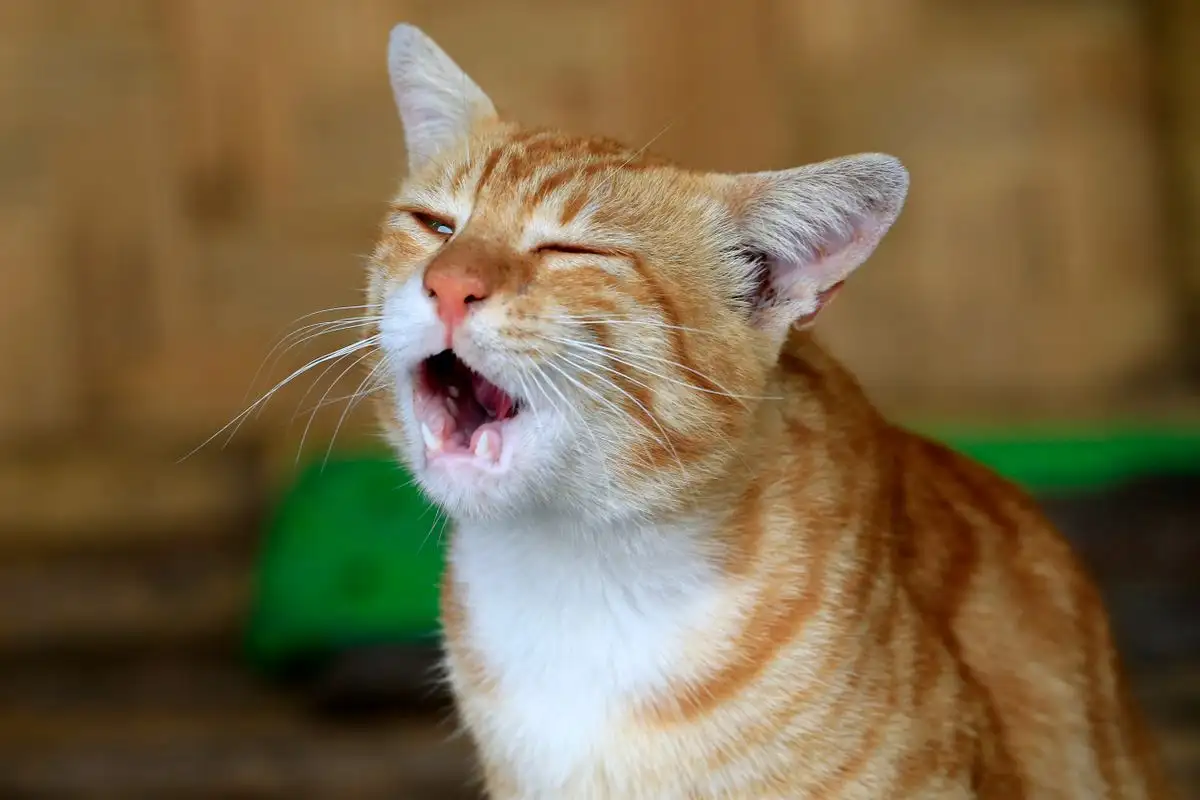
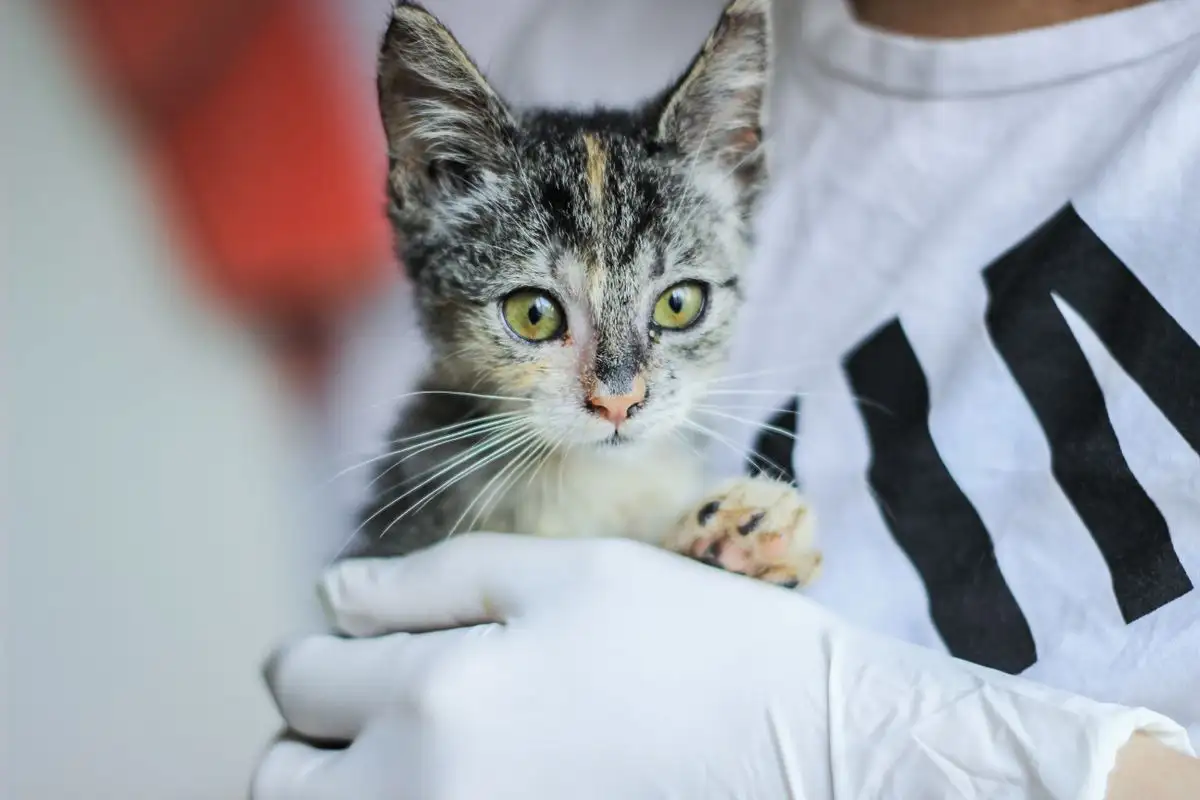
A sneezing kitten is usually a weight-and-appetite problem, not a nose problem. Here is how fosters weigh, log food, and decide when to call the vet.
A sneezing kitten is usually a weight-and-appetite problem, not a nose problem. Here is how fosters weigh, log food, and decide when to call the vet.
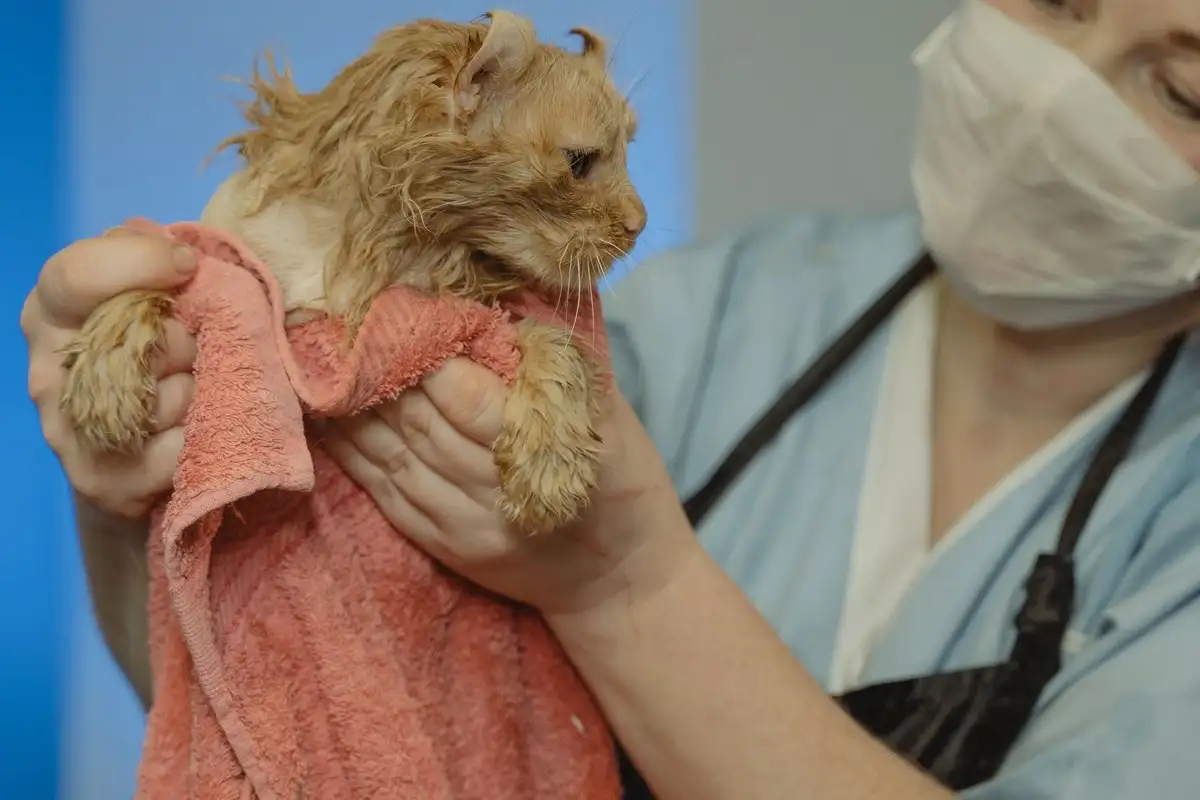
Most healthy cats never need a bath. Here's how to decide when water is truly necessary, and a safe three-stage sequence for the times it is.
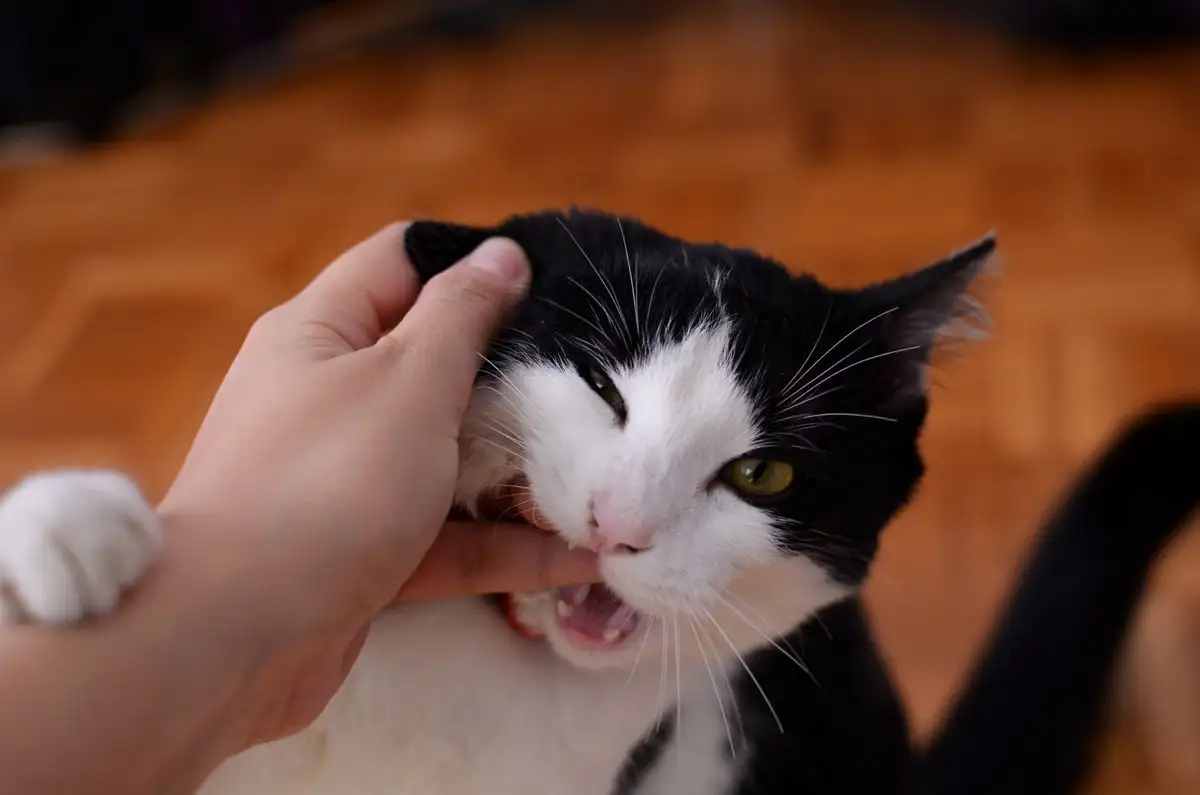
Your cat bites after staring out the window? It is likely redirected aggression. Here is how to handle the high-arousal hours afterward and avoid a second bite.
A sneeze tells you almost nothing. Learn to read the eye discharge, appetite, and energy level that come with it — and when a vet exam is the only answer.
Wet food is about 75% water, dry about 10%. Learn how to pick a format based on your cat's drinking, chewing, and litter box, not on label claims.
A step-by-step walkthrough of bathing a cat at home, timed from setup to dry, and why preparation and drying, not the washing, decide whether it goes well.
Kitten mouthing is a developmental skill, not aggression. How to stand in for littermates, lower bite pressure week by week, and build a soft mouth.
Sneezing indoors only usually means an airborne irritant. A room-by-room audit that changes one variable at a time finds it without replacing everything.
A reverse sneezing episode is an inward snort with the head forward and elbows out, not an outward sneeze. Here's how to read the sound, posture, and duration.
Cats on dry food alone rarely drink enough to close the moisture gap. Here's how food format shapes total water intake and urine concentration.